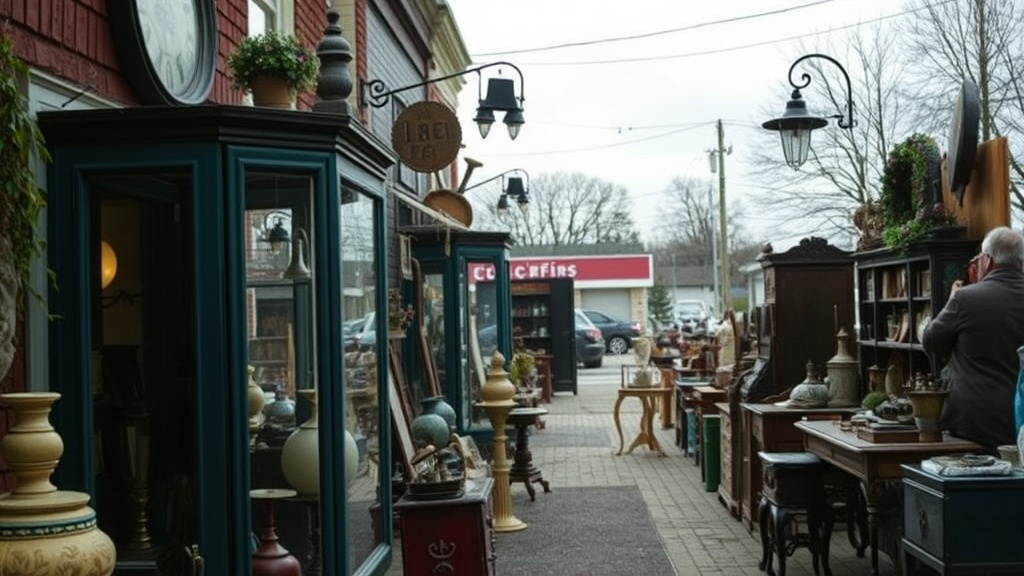
Find Hidden Gems at the Kemptville Antique and Vintage Shops

Dusty sunlight filters through a storefront window, landing on a tarnished brass candlestick and a stack of weathered, linen-bound books. The air carries that distinct scent of old cedar and aged paper. Kemptville has become a magnet for collectors, and if you know where to look, you can find much more than just old trinkets. This guide explores the best ways to hunt for treasures in our local antique and vintage shops, ensuring you don't walk past a diamond in the rough.
Finding high-quality vintage items requires a mix of patience, a keen eye, and a bit of local knowledge. You aren't just looking for "old stuff"—you're looking for pieces with character that can't be replicated by modern manufacturing. Whether you want a mid-century modern sideboard or a vintage Pyrex bowl, the Kemptville area has plenty to offer.
Where are the best antique shops in Kemptville?
The best antique shops in Kemptville are often found tucked away in small storefronts along the main streets or in the slightly more industrial pockets near the outskirts of town. You'll find a mix of curated antique boutiques and large-scale multi-vendor-style shops. Many of these locations specialize in different eras, ranging from Victorian-era furniture to 1970s bohemian decor.
For those who love a curated experience, some shops focus heavily on high-end furniture. If you prefer the thrill of the hunt, look for the larger warehouses where vendors rent booths. These spots are great because the inventory changes constantly. One weekend you might find a vintage Mid-century modern lamp; the next, you might find a heavy oak dining table. It's a bit of a gamble, but that's half the fun.
Don't forget to check out the smaller, specialized shops that focus on specific niches like vintage textiles or antique kitchenware. I've found that the more specific the shop, the higher the quality of the items. It's a different experience than the massive thrift stores, where you're often looking for clothing or household basics.
A Quick Guide to Vintage Categories
To help you narrow down your search, I've broken down the most common types of- items you'll encounter in our local shops.
| Category | What to Look For | Best For |
|---|---|---|
| Mid-Century Modern | Teak wood, tapered legs, clean lines | Living room statement pieces |
| Victorian/Antique | Ornate carvings, brass, heavy velvet | Formal dining or study decor |
| Vintage Kitchenware | Pyrex, Mason jars, enamelware | Kitchen styling and baking |
| Rustic/Farmhouse | Weathered wood, cast iron, burlap | Cottage-style decor |
If you are more interested in budget-friendly finds rather than high-end antiques, you should also score great deals at the Kemptville thrift shops. The distinction is important: antique shops usually focus on preservation and value, while thrift shops are more about general reuse.
How much does vintage furniture cost in Ontario?
The cost of vintage furniture in the Kemptville area depends entirely on the era, the condition, and the scarcity of the piece. You might find a beautifully restored side table for $150, or a rare, signed piece of furniture that commands $1,500 or more. There isn't a single fixed price, but understanding the market helps you negotiate better.
Generally, "vintage" refers to items that are roughly 20 to 100 years old. "Antique" usually refers to items over 100 years old. The older and more documented the piece is, the higher the price tag. If you find a piece of furniture with a brand name or a maker's mark, expect to pay a premium. This is especially true for brands like IKEA-era modernism, which has seen a massive surge in popularity lately.
When you are out shopping, keep these factors in mind:
- Condition: A small scratch on a table is one thing; structural rot or termite damage is another.
- Provenance: Does the seller have documentation or a history for the item?
- Rarity: Is this a common item from the 1980s or a one-of-a-kind 1920s piece?
- Restoration: Has the piece been professionally refinished or just "cleaned up"?
It's worth noting that prices in North Grenville can sometimes be slightly lower than in high-end Toronto boutiques, but don't expect everything to be a steal. Collectors know the value of these items, and so do the shop owners.
How can you identify authentic antiques?
Identifying authentic antiques requires looking closely at the construction and the materials used. Most genuine antiques were made with techniques that are no longer common in mass production. You should look for signs of hand-craftsmanship rather than machine-made uniformity.
One of the easiest ways to spot an older piece is to look at the joinery. If you see dovetail joints on a drawer, you're likely looking at a higher-quality, older piece of furniture. Modern furniture often uses cam locks or staples that are much easier to spot. Also, check the weight. Real wood and solid brass are heavy; modern plastic-based "vintage-style" items are usually much lighter.
Here are a few things to check when you're inspecting a potential purchase:
- Check the underside: Flip a chair or a table over. The underside of a piece often tells the real story. Look for hand-cut marks or uneven surfaces.
- Examine the hardware: Are the hinges and handles heavy metal or painted plastic? Real brass or iron will have a different feel and weight.
- Smell the wood: Old wood has a specific, earthy scent. If it smells like fresh sawdust or chemicals, it might be a newer reproduction.
- Look for patina: A natural patina—the way an object ages over time—is hard to fake. Look for subtle wear on edges and surfaces.
If you're unsure about a specific item, don't be afraid to ask the shop owner. Most local antique dealers in Kemptville are passionate about their collections and are usually happy to share what they know. They can often tell you the approximate era or even the maker of a piece.
Sometimes, the most interesting things aren't the big furniture pieces. It's the small stuff—the vintage way of life. I once found a set of vintage Pyrex dishes that looked like they had never been used. They were perfect for a gift, and they added a sense of warmth to my kitchen that modern-looking glass just can't match.
The hunt is part of the process. You won't find your dream item every single time you go out. Some days you'll leave empty-handed, and that's perfectly fine. The goal is to develop your eye and learn to appreciate the history behind these objects. When you finally do find that perfect piece—the one that fits your home and your style—it feels much more rewarding than just buying something new from a big-box store.
Keep an eye out for seasonal sales or local antique shows. Sometimes, the best deals happen when a shop is clearing out inventory to make room for new arrivals. It's a constant cycle of discovery here in North Grenville.
Steps
- 1
Research Local Antique Directories
- 2
Visit During Small Business Saturdays
- 3
Look Beyond the Main Street Displays
- 4
Verify Item Authenticity with Shopkeepers