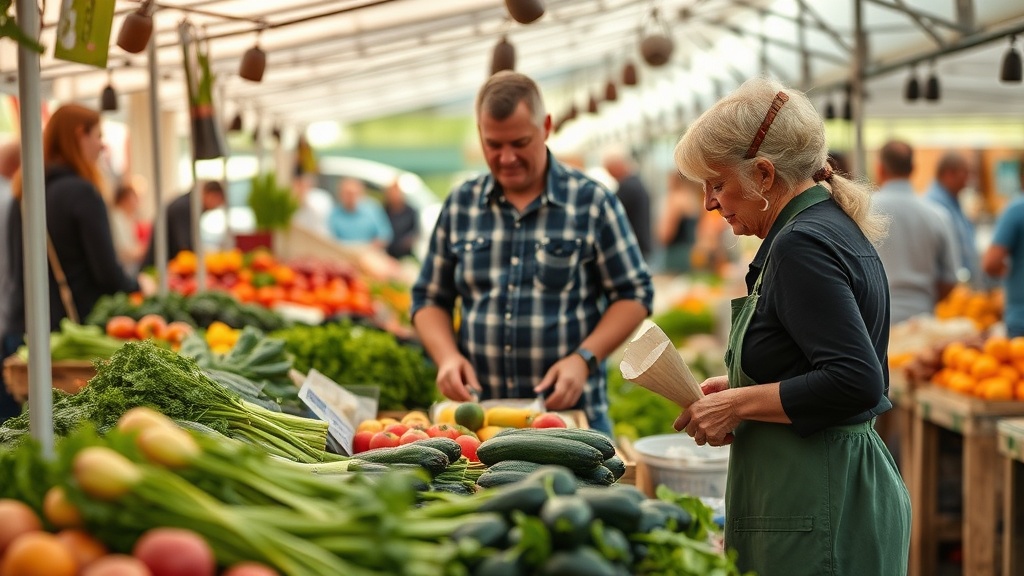
Finding the Best Local Produce at the Kemptville Farmers Market

Quick Tip
Arrive early in the morning to secure the freshest seasonal harvests and unique local artisan goods.
Most people think the Kemptville Farmers' Market is just a place to grab a coffee and some artisanal bread on a Saturday morning. That's a mistake. If you go there looking for seasonal, high-quality produce from Eastern Ontario farms, you'll find much more than just snacks—you'll find the backbone of our local food system.
This post covers how to time your visits, what to look for in seasonal produce, and how to make the most of your money at the market.
When is the best time to shop the Kemptville Farmers' Market?
The best time to shop for the freshest produce is early in the morning, ideally right when the market opens, to snag the highest quality items before they sell out. Most vendors arrive early to set up, but the real "good stuff"—the heavy heirloom tomatoes or the freshest greens—tends to disappear by mid-morning. If you're looking for a more relaxed experience without the crowds, arriving about an hour after the initial rush is a solid bet.
Here is a quick guide to what you can expect based on the season:
- Early Summer: Focus on leafy greens, radishes, and early berries.
- Mid-Summer: This is peak season for stone fruits, corn, and tomatoes.
- Late Summer/Fall: Look for squash, pumpkins, and hardy root vegetables.
Keep in mind that availability depends heavily on local weather patterns in the Eastern Ontario region. A late frost can delay certain crops—it happens every year—so don't be surprised if your favorite berry isn't out yet.
How much does local produce cost compared to grocery stores?
Local produce prices at the market fluctuate based on seasonality and can sometimes be slightly higher than big-box grocery stores, but the quality and shelf life are significantly better. While a bag of carrots at a major supermarket might be cheaper, the flavor profile of a farm-direct carrot is in a different league entirely. You're paying for freshness and supporting the local economy directly.
To help you budget, I've put together a quick comparison of typical shopping habits:
| Item Type | Grocery Store (Typical) | Farmers' Market (Typical) |
|---|---|---|
| Seasonal Fruit | Consistent/Standardized | Highly Variable/Peak Flavor |
| Leafy Greens | Longer Shelf Life (Hydroponic) | Short Shelf Life (High Freshness) |
| Price Point | Lower/Predictable | Variable/Seasonal |
What should I look for to ensure quality?
You should look for vibrant colors, firm textures, and minimal bruising to ensure you're getting the best produce. Don't be afraid to ask the farmers directly about how the item was grown. Most local growers are incredibly knowledgeable and happy to talk shop—it's part of the experience! If you see a slight imperfection on a piece of fruit, it often just means it's real food, not a wax-coated version from a warehouse.
For those interested in the nutritional benefits of eating seasonal, local food, the Government of Canada provides extensive resources on food safety and nutrition standards. It's a good way to understand why fresh is always better.
One tip I've learned over the years: always bring your own reusable bags. It's better for the environment, and most vendors appreciate the effort to reduce waste. If you're buying heavy items like potatoes or squash, bring a sturdy tote that won't rip under the weight.