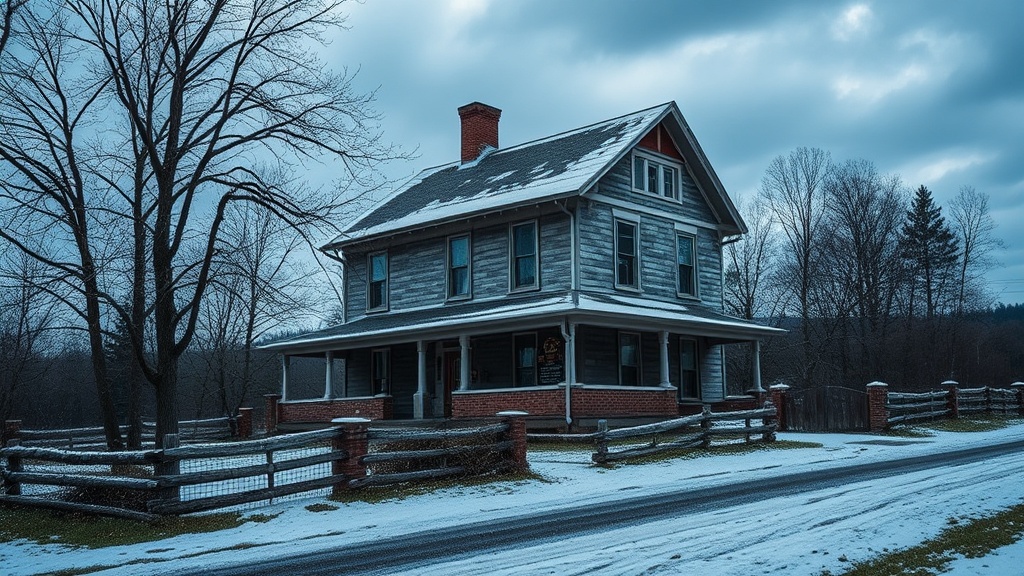
How to Uncover Your Property's Hidden History Right Here in North Grenville

Here's something that might surprise you—roughly forty percent of the homes in North Grenville's older neighborhoods were built before 1970, and some date back to the mid-1800s. Yet most of us move into these places, park our cars in the driveway, and never stop to wonder who planted that massive oak in the backyard—or why there's a random stone foundation poking out from the garden bed near County Road 43.
Learning your property's story isn't just a fun weekend project (though it absolutely is that). It's about understanding how your slice of North Grenville fits into the bigger picture of our community's growth—from the early milling days along the Kemptville River to the post-war housing boom and the recent development surge. When you know what came before, you become a better steward of what comes next.
Where Do I Start Researching My North Grenville Property?
Begin with the obvious—your own walls. Check closets, basements, and attics for old photographs, letters, or documents previous owners left behind. You'd be shocked how many North Grenville residents find century-old farm ledgers, vintage wallpaper samples, or handwritten deeds tucked behind water heaters. One homeowner on Clothier Street discovered a 1923 property survey in their crawlspace that revealed their lot once included a carriage house long since demolished.
Next, head to the North Grenville Public Library on Water Street. Their local history collection includes fire insurance plans, historic atlases, and newspaper archives spanning back to the nineteenth century. The staff there know the collection inside out—and they genuinely enjoy helping residents dig up the past. Bring your address, a notebook, and patience. Old records weren't organized for modern search terms.
For the legal backbone of your property's story, you'll need land registry records. Ontario's land registration system is one of the oldest in North America, and you can access historical deeds through the Ontario Land Registry Access portal. Start with your current property description (found on your deed or tax bill) and work backward through the chain of ownership. Each transfer tells a story—farms split among children, lots sold during economic booms, properties transferred between neighbors.
What Free Online Resources Can I Use to Research Local History?
You don't need to drive to Ottawa or pay for expensive subscriptions to uncover serious historical detail. The Archives of Ontario offers free online access to census records, military service files, and crown land petitions. If your North Grenville property was ever a farm—and many were—the Agricultural Census records from 1851 through 1951 list livestock counts, crop types, and farm sizes. It's oddly compelling to know your suburban backyard once held dairy cattle.
Historic maps are another goldmine. The 1879 Belden Atlas of Grenville County (available digitally through the North Grenville Public Library and the Archives of Ontario) shows property boundaries, building locations, and even the names of original landowners. Compare those old maps to modern satellite imagery—you might discover your driveway follows a nineteenth-century laneway, or your garden sits atop a former orchard.
Don't overlook aerial photography. Agriculture and Agri-Food Canada maintains historical aerial photos dating back to the 1920s for most of North Grenville. These images show how rural routes transformed into suburban streets, where forests were cleared, and how the Rideau River and Kemptville River shaped settlement patterns. The contrast between a 1930s photo of open farmland and today's developed landscape is striking—and humbling.
How Can I Learn From My Neighbours and Community?
Some of the best history isn't written down—it's remembered. North Grenville has families who've lived here for five or six generations, and many long-time residents love sharing what they know. Strike up conversations at the Ferguson Forest Centre trails, the checkout line at the Independent on Highway 43, or during neighborhood walks. Ask about what the area looked like decades ago. You'll hear stories about one-room schoolhouses, old general stores, and farms that became subdivisions.
The North Grenville Historical Society (connected to the library) occasionally hosts walking tours and talks about local history. While their schedule varies, they maintain archives and photographs that haven't been digitized. Local Facebook groups and community forums can also yield surprising connections—post your address or a photo of an old building feature, and someone often recognizes it or knows someone who does.
Pay attention to street names, too—they're historical breadcrumbs. Many North Grenville roads are named after early settlers (like Clothier Street, named for the Clothier family who operated mills), local politicians, or geographic features. Understanding the origin of your street name can point you toward relevant historical records or family histories.
What Physical Clues Should I Look For Around My Property?
Your land is constantly telling its own story—you just need to know how to read it. Walk your property slowly, especially after rain when the ground is soft. Look for straight lines of stones that might mark old fences or foundations. In North Grenville's older neighborhoods, it's common to find the remains of carriage houses, wells, or root cellars. One resident near Oxford Mills discovered a perfectly preserved stone-lined ice house beneath their modern garage slab.
Trees are historical witnesses. That massive sugar maple in your front yard? If it's over thirty inches in diameter, it could easily be eighty to a hundred years old—predating your house and possibly marking an old property line or lane. Similarly, clusters of lilac bushes often indicate where a farmhouse once stood, since settlers planted them as windbreaks and privacy screens.
Examine your home's construction details. Pre-1940s homes in North Grenville often feature hand-hewn beams, wide plank floors, or unusual window placements designed for cross-ventilation before air conditioning. Even newer homes might incorporate materials recycled from earlier structures—it's not uncommon to find barn boards repurposed as basement shelving or fence posts.
Check your property's topography, too. Unusual depressions might indicate old cellars or cisterns. Linear ridges could be remnants of agricultural terracing or drainage ditches. In areas near the Kemptville River, elevated building sites often mark where early residents avoided flood zones—their knowledge of the land embedded in their building choices.
Once you've gathered your research, consider sharing it. The North Grenville Public Library maintains a growing collection of resident-compiled property histories, and your discoveries might help a future homeowner or researcher understand our community's evolution. History isn't static—it lives in the connections we make between past and present, between our own stories and the larger narrative of where we call home.